Monday, November 25, 2019

My stem cells are turning 1!


I couldn't be more excited. This is a huge milestone for me, my stem cells will be turning one! I am so happy. First and foremost I am proud of myself. This year has been hell. I have been through so much and I am so very excited to say that I have made it one year.


On 11/28/2018 I was given one of the greatest gifts you could ever be given, life. There is a man out there in Italy that saved my life. A young man decided that he wanted to be a donor and he answered that call, he saved my life.
 
When I relapsed with AML back in September of 2018 I was given a 20% chance of living. 20%! I was scared and worried. I will never forget the day the doctor called me. September 11,2018 was when I found out that I had relapsed and it was very serious. The doctors allowed me to finish up the week with my son and I had to report to the hospital on 9/17. When got to the hospital I was so nervous and I really didn't want to go through chemo again and I really didn't want to stay in the hospital for another month. In the end I knew I had to do it though. It was life or death for me at this point and the doctors were going to be very aggressive in treating me. About a week before I was allowed to go home the doctor told me that I was going to need further treatment and that I would get a stem cell transplant. After much deliberation and research I finally decided that a transplant was the best thing for me. if this is what was going to save my life then I was going to do it! SO my doctor contacted Be The Match and a search was started. To my doctors surprise, we got many hits and hundreds of donors were available. They contacted to the top 6 donors and within days there were two front men that were very willing to start the blood work to see if they were able to be my donor. I felt so blessed.
 
About a week or so later I found out that my donor was chosen and ready and all medical tests came back perfect and the transplant was a go! On 11/21/18 I was readmitted to the hospital to have my transplant. I was beyond happy, this transplant was going to save my life. I was in the hospital for Thanksgiving but my family was allowed to come up and visit me that day before I had to start the chemo regiment needed for transplant.
 
Boy was I unprepared, and I even went to the class the hospital provided.
 
I thought that the transplant was going to be like all of the chemo I had had. I usually had weakness and nausea along with diarrhea and bone pain so I figured that was going to happen. It did, but 635462351684653 times worse! I had to learn my body all over again and that was the most difficult thing. I mean just learning which food I could handle because of my gvhd was hard. I had so many medication I went home on I mean it was rough trying to swallow all of those and not get sick. Walking was so difficult because I was so incredibly weak. I want to be blunt and honest, having a stem cell transplant is hard but worth it. It took me 5 months to be able to walk up the stairs in my home. Currently I have bone/joint gvhd, stomach gvhd and skin gvhd.. It is so hard. I can't say that enough but it was worth it.
A year later, I am disease free. I am thriving. I do still get tired and some days I lay in bed in pain but I am alive today because someone decided to save my life. Its amazing and each day I feel blessed. Yes, the process of having a stem cell transplant is the hardest thing I have ever done. Yes, there were times I didn't know if I was going to make it but in the end I did and boy would I do it again if I had to.


Thursday, September 19, 2019

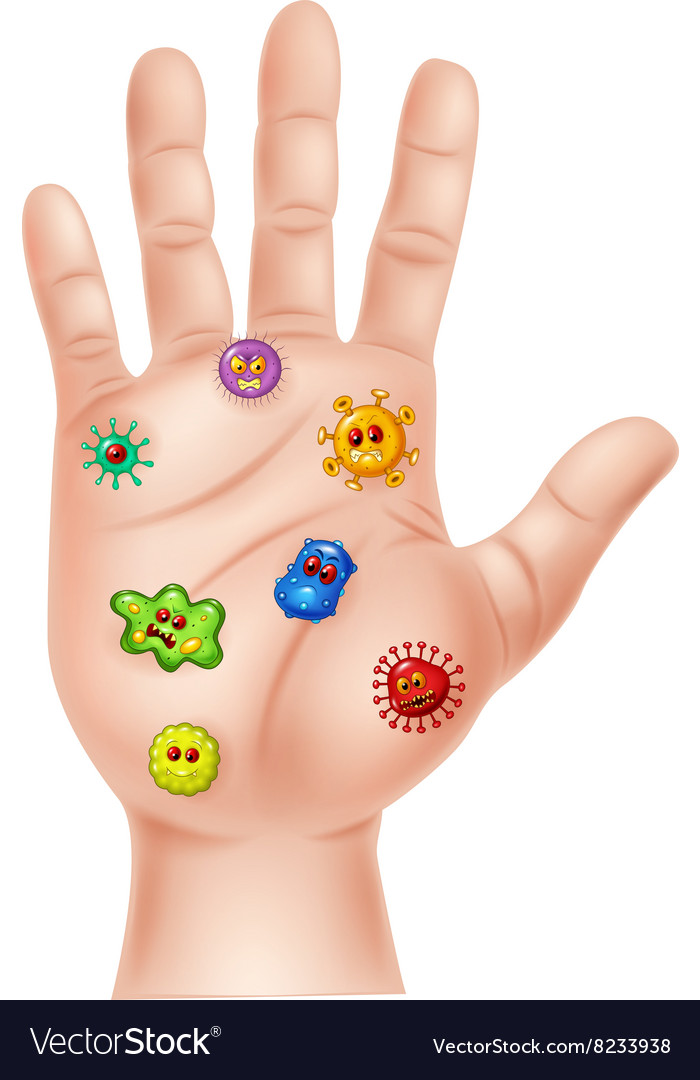
Germs and Cancer


Cancer and cancer treatments can weaken your immune system and make it hard for it to protect your body against germs. Chemotherapy, for example, can lower the number of white blood cells you have. Because their job is to stop infections, it makes it tougher for your body to fight germs.(web source)


Infection is one of the most common life-threatening complications of cancer and cancer treatment. This is because cancer and cancer treatment weaken the immune system. The immune system is a complex system by which the body resists and fights infection by germs, such as bacteria or viruses.(web source)


Wash your hands. Do it often, and use soap and water. Wash them before you eat and before you touch your eyes, nose, or mouth. Always clean up after you go to the bathroom, sneeze, cough, or blow your nose. Other times to wash: after you handle trash, go to a public place, or touch an animal. Carry an alcohol-based hand sanitizer with you in case you can't get to soap and water when you're out and about.


Don't eat deli foods, free food samples, or yogurt and ice cream products from soft-serve machines. Skip foods bought from self-serve or bulk bins. Don't buy dented cans or pre-cut fruits and veggies.

Be careful around people. If you know that someone has a fever, cold, flu, or any other infection, stay away from them until they feel better. It's also best to skip large groups of people, so avoid shopping, schools, traveling, and crowds. If you do go out in public, use cleaning wipes before you touch door handles, elevator buttons, ATM keypads, or any other surface used by a lot of people.

Watch what you touch. Try not to change diapers. If you do, wash your hands as soon as possible when you’re done. Don't clean up after your pet in the yard, and don't touch dirt that could have animal droppings in it. Let someone else change the litter boxes, clean the birdcage, or clean the fish or turtle tanks.

Don't share. Don't use the same glasses, utensils, or food as others. Don't share towels, toothbrushes, or makeup, either.


Germs are tiny organisms (microorganisms) that can cause infections. Examples include: (web source)
  • Bacteria
  • Viruses
  • Protozoa
  • Fungi (the plural of fungus)

Biologists believe that bacteria are a separate type of life form – they’re different from plants and animals. Bacteria are the smallest forms of life. Most infections in people with cancer are caused by bacteria, including:

  • Pseudomonas aeruginosa
  • Klebsiella pneumoniae
  • Escherichia coli (E. coli)
  • Salmonella
  • Clostridium difficile (C. diff)
  • Staphylococcus aureus (Staph aureus)
  • Staphylococcus epidemidis (Staph epi)
  • Streptococcus viridans
  • Pneumococcus
  • Enterococcus
Viruses are the smallest known germs. Unlike bacteria, they’re not really alive because they can’t grow on their own. Viruses can only make new viruses when they are inside living cells, such as human, animal, or plant cells.
Most viral infections in people with very low white blood cell counts are caused by:
  • Varicella zoster virus (VZV), the virus that causes chickenpox and shingles
  • Herpes simplex virus (HSV), the virus that causes cold sores and genital herpes
  • Cytomegalovirus (CMV)

Other viruses, such as respiratory and hepatitis viruses, may cause problems, too.
Protozoa are one-celled creatures thought to be the smallest and simplest form of animals. Some protozoa can infect people who have healthy immune systems. But these infections happen more often in less-developed countries than in the United States. In the US, protozoa mostly cause disease in people with weak immune systems. People who have organ transplants, cancer, AIDS, or other diseases can get life-threatening infections with protozoa. Common protozoa that can cause serious illness in people with cancer include

  • Toxoplasma gondii
  • Cryptosporidium

In humans, fungi can live in balance with other germs that normally live on or in the body without causing symptoms or damage. But fungal infections can happen when there are changes in this balanced environment. Things that can change the normal balance include:
  • Damage to the skin or mucous membranes
  • Low white blood cell counts
  • A weak immune system
  • Fewer bacteria than normal on the body’s surfaces or mucous membranes (such as the intestines or vagina), which often happens with antibiotic treatment.

Fungal infections can be serious and even deadly.
People with cancer can get many different types of infections. These infections differ in their risk factors, the symptoms they cause, how they are treated, and the chance of curing the infection.
If you have an infection, it’s important for your doctor to know: (web source)

  1. The part of your body affected
  2. The type of germ causing the infection


Your signs and symptoms (for instance, where you have pain, redness, and/or swelling) help your doctor know what tests are needed to find the cause of the infection. The results of certain tests (such as x-rays, CT scans, or lab tests done on body fluids) help pinpoint where the infection is.
Common sites of infection in people with cancer include:

  • The skin and mucous membranes (soft linings, like inside the mouth, vagina, and intestines)
  • The digestive system (mouth, esophagus [swallowing tube], stomach, and intestines)
  • The lungs and breathing passages (sinuses and throat)
  • The urinary system (bladder and kidneys)
  • The nervous system (brain and spinal cord)
  • The skin and tissue around a central venous catheter (CVC). A CVC is a tube or catheter put in a vein that is used to draw blood and give IV drugs or fluids.


Because infections in people with cancer can quickly get worse, treatment is usually started before culture and sensitivity results are back. Treatment may be changed after the lab tests have identified the exact germ and which drug will work best to treat it. (web Source)


Doctors know which germs tend to infect certain body parts of people with cancer. So they can often make an educated guess at which germs are most likely causing a patient’s infection. Educated guesses are very important because it can take many days to get the results of tests that show the exact type of germ causing an infection and which drug will best stop or kill it.

Fever, swelling, pain, and other signs of infection in a person known to have a weak immune system are treated as medical emergencies. Antibiotics are started right away.After a physical exam, lab tests, cultures, and sometimes even imaging studies or special procedures will be done. This will help the doctor find out exactly where the infection is and help figure out which germ may be causing it. Then antibiotics (which can be anti-bacterial, anti-viral, anti-fungal, or anti-protozoal drugs) are started quickly. (See “Identifying germs” in the section called “How does the doctor know what kind of infection a person has?”) After the exact germ is identified, the same antibiotics may be continued, or new ones may be started if the tests show others would work better.
If you think that you may have a cold, virus etc. please contact your doctor.

sick people.... (venting)


Don’t touch me! 👀

OMG my kid has a runny nose. Yours too, just great!

Yeah it happens to every parent, but for a cancer patient its like the word is going to end.(or that's how it feels)  I mean boogers and snot and coughing and picking the nose like, WHY ME!!!!! 

The doctors and nurses condition us to not be around sick people. To wear your mask at almost all times and stay home and not go out in public and to stay away from sick people but the reality is you can’t always do that. I can’t tell you how many times my son has had a stuffy nose during my battle. I mean he even had the flu in 2018 and as a parent all I wanted to do was be there for him ( and I was). I remember my doctor telling me to leave the house for a few days and of course I didn’t listen. I mean were can you draw the line? I know that as a patient I am not supposed to be around sick people but my child is different.I am his parent and whether I am sick or not I will do everything in my will to make sure he is okay. I also don’t want to be shamed by my doctor if I end up getting sick because I took are of my child while they were sick. You know?  I can’t be the only one that feels this way.  Email me or comment if feel the pressure from your doctor to stay away from sick people even if they are your kids.


Tuesday, August 20, 2019

cough cough- Lung Cancer


Lung cancer is the uncontrolled growth of abnormal cells in one or both lungs. These abnormal cells do not carry out the functions of normal lung cells and do not develop into healthy lung tissue. As they grow, the abnormal cells can form tumors and interfere with the functioning of the lung, which provides oxygen to the body via the blood.


There are two major types of lung cancer, non-small cell lung cancer (NSCLC) and small cell lung cancer (SCLC). Staging lung cancer is based on whether the cancer is local or has spread from the lungs to the lymph nodes or other organs. Because the lungs are large, tumors can grow in them for a long time before they are found. Even when symptoms—such as coughing and fatigue—do occur, people think they are due to other causes. For this reason, early-stage lung cancer (stages I and II) is difficult to detect. (Web Source)

Non-Small Cell Lung Cancer

Non-small cell lung cancer accounts for about 85 percent of lung cancers and includes:
  • Adenocarcinoma, the most common form of lung cancer in the United States among both men and women;
  • Squamous cell carcinoma, which accounts for 25 percent of all lung cancers;
  • Large cell carcinoma, which accounts for about 10 percent of NSCLC tumors.

STAGES OF NON-SMALL CELL LUNG CANCER

Stage I: The cancer is located only in the lungs and has not spread to any lymph nodes.
Stage II: The cancer is in the lung and nearby lymph nodes.
Stage III: Cancer is found in the lung and in the lymph nodes in the middle of the chest, also described as locally advanced disease. Stage III has two subtypes:
  • If the cancer has spread only to lymph nodes on the same side of the chest where the cancer started, it is called stage IIIA.
  • If the cancer has spread to the lymph nodes on the opposite side of the chest, or above the collar bone, it is called stage IIIB.
Stage IV: This is the most advanced stage of lung cancer, and is also described as advanced disease. This is when the cancer has spread to both lungs, to fluid in the area around the lungs, or to another part of the body, such as the liver or other organs.

Small Cell Lung Cancer

Small cell lung cancer accounts for the remaining 15 percent of lung cancers in the United States. They tend to grow more quickly than NSCLC tumors. Usually, SCLC is more responsive to chemotherapy than NSCLC.

Stages of Small Cell Lung Cancer

Limited stage: In this stage, cancer is found on one side of the chest, involving just one part of the lung and nearby lymph nodes.
Extensive stage: In this stage, cancer has spread to other regions of the chest or other parts of the body.
The American Joint Commission on Cancer implemented a more detailed staging system in which the stages of small cell lung cancer are described using Roman numerals and letters (for example, Stage IIA). This is the same method that is used for non-small cell lung cancer in describing the growth and spread of the cancer.(Web Source) 

Lung cancer is the third most common cancer worldwide. About 1.8 million new cases of lung cancer were recorded globally in 2012, accounting for 13 per cent of all new cases of cancer.(web source)

One of the most diagnosed lung cancers is mesothelioma. 
If you or a loved one needs help with finances, finding a doctor, research or support due to mesothelioma please visit this site ➩ https://mesothelioma.net/


There were 54,418 documented cases of mesothelioma between 1999 and 2015.


THAT’S THE EQUIVALENT OF ABOUT 1 PERSON DIAGNOSED PER EVERY 100,000 AMERICANS. (web source)

Tuesday, August 13, 2019

Update... What's the latest?


Today I am 258 days old. Totally crazy if you ask me. It still amazes me that there is someone else's DNA in my body and their stem cells are saving my life. 

So how have things been? 
Well things have been going pretty well. The recovery process is crazy and you never know what is going to happen in the process but I have been super lucky with my symptoms. Yes, I have some mild gvhd but it is totally worth it and 10x easier to deal with then chemo. 

I have gut gvhd which basically means I crap all of the time! I can't eat certain types of food and even drinking some things makes my stomach hurt. I take medicine for it when it flares up but nothing truly helps 100%. I also get mouth gvhd which is hard to deal with because I can't eat anything. It usually flares up when I eat spicy foods so I try to avoid them at all costs. I don't get mouth sores per say but my tongue gets very sore and bleeds sometimes and it looks like my taste buds are falling off. Its not a very fun thing to experience and it's really annoying. The last symptom I have from the transplant is joint gvhd. This one sucks! I am in pain almost everyday of my life. My wrist and the right knee are the worst sources of pain for me but all of my joints ache. It's almost like Rheumatoid arthritis. The donors stems cells are attacking my joints as if they were a foreign source. It sucks dealing with the joint pain, i feel like my body is 80 years old. (no offense) Some days  are better then others though. I have days were all I do is stay in bed. I also have good days were I push myself to do adventurous things, ( against the wishes of my doctor) but I have a 5 year old so I have to try extra hard! My step-dad Mario has a boat that we love to go out on. It just kind of makes me feel at peace when we are out on the bay. ( I do wear like way too much sunscreen and I have UV protected clothing though) No it's probably not the best thing to be doing but I mean, I just had cancer for the second time and now I have a second chance at life because of the stem cell transplant so I want to live my best life. 

My doctor has been testing my chimerism for a while now because I haven't yet hit and stayed at 100% donor. On July 10th we found out that I was finally at 100% but we are super nervous about it and didn't tell anyone. My numbers have been going up and down so the doctor wants to continue to test my chimerism to see if it will stay at 100% or if it will go back down.  It's hard to be happy with this good test result because of the ptsd. Even my mom has it. We are happy that I am 100% donor right now but so scared that it will drop again. SO we just have to wait for more tests to come back. Which only gives everyone anxiety. The latest bone marrow biopsy did come back with No Disease Detected!  So at least there is no leukemia in my body and that gives me some hope!

 But what's next? 
SO I still have my Hickman port in my chest and for the doctors and nurses it is very easy access but for me it's a pain in the butt! I get that everyone gets a port for transplant but its been like 8 months now and this thing is a pain. The reason that it has been left in is because if I need more chemo or more stem cells they have access to give it to me. My veins in both my arms are very bad. I can't even have a picc line placed because of the veins collapsing so easily. I also cant have the port on the right side of my body because I have a VA shunt placed and my neurosurgeon was very nervous about another foreign object in my body. So for both of those reasons my Hickman remains in. 

SO that's what has been going on with me. Just recovering day by day. I take each day for what it is and just live like there is no tomorrow. My experience through all of this has me knowledgeable about what the outcome could have been and for that I am so unbelievably grateful. I see people who have no symptoms or pain and wish that was me and then I see people who are in excruciating pain and lose there life and I can't help but feel so blessed. 
I still have a ways to go and the recovery process is long and tedious but I am here. I am alive and thriving. I am here for my son and my family. I am able to go to the doctors. I am here. 

The financial struggle will eventually get better and my health will eventually be "normal". I pray everyday to remain positive and be humble. 

Tuesday, July 9, 2019

Supporting someone with cancer....


So you're diagnosed with Cancer..... first of all HOLY SHIT. I know it is a lot to take in,I mean CANCER has to be one of the scariest words you can hear and no none wants to hear it but it happens so often these days. 

You're driving home from the scariest doctors appointment of your life and it hits, how am i going to get through this? 

The answer to that is SUPPORT! I know it sounds so small and it can be but having a support system behind you when you are going through something like a cancer diagnosis is pretty important whether you believe it or not. 

For me, my family was, is and remains my biggest support system. 


I wouldn't have been able to fight so hard if these people weren't in my corner.  


Support can truly come from anywhere and be practically anyone who wants to be there for you. Unfortunately, most of the friends that I thought I had did not come to be there for me while I was in the hospital fighting for my life......TWICE.  There where a shit ton of excuses from "friends and family members" while I was going through treatment. I heard it all believe me and it totally hurts. Each time I was in treatment it was 30+ days. Can you imagine being in the hospital for 30 days and fighting to stay alive and people just giving you excuses as to why they can't make the trip to see you. ( I do understand that everyone has there own lives and have kids and work but to me that's where the truth lies. If I am not important enough for you to try and get a sitter on the weekend or take off an hour or two from your daily life then I know where we stand.) 


If one of your friends has cancer, you may be wondering the best way to support him or her. Even though you want to help, it can be hard to know what to say or do.

It is important to remember that there are no set rules and every friendship is different. Be sure to think about your unique dynamic and let that guide you as you try to support your friend. Keep it simple. Remember that often the little things mean the most.Web Source 
Here are some things to do before you go to visit a friend or family member in the hospital. Web Source
  1. Process your own feelings beforehand. Learning that a friend/family member has cancer can be difficult news to hear. Take time to acknowledge and cope with your own emotions about the diagnosis before you see him or her. This way, you can keep the focus on your friend.
  2. Learn about the diagnosis. Your friend may not want to talk about the details for many reasons. It can be physically and emotionally tiring to repeat the same information to different people. If possible, the person’s spouse or a mutual friend may be able to give you the basics. Write it down and repeat it back to them to be sure you have the correct information. If there is information that is unknown or not shared, do not push for more.
  3. Think about it from your friend’s perspective. Remember a time when you were scared or felt sick. Think about what it felt like. What did you want to talk about? How did you want to be treated? You may also want to prepare yourself for changes in your friend’s appearance. Fatigue, weight loss, and hair loss are common side effects of cancer and many treatments. Start your visit by saying “It’s good to see you” instead of commenting on any physical changes


Although each person with cancer is different, here are some general suggestions for showing support: web source

  • Ask permission. Before visiting, giving advice, and asking questions, ask if it is welcome. Be sure to make it clear that saying no is perfectly okay.
  • Make plans. Do not be afraid to make plans for the future. This gives your friend something to look forward to, especially because cancer treatment can be long and tiring.
  • Be flexible. Make flexible plans that are easy to change in case your friend needs to cancel or reschedule.
  • Laugh together. Be humorous and fun when appropriate and when needed. A light conversation or a funny story can make a friend’s day.
  • Allow for sadness. Do not ignore uncomfortable topics or feelings.
  • Check in. Make time for a check-in phone call. Let your friend know when you will be calling. Also, let your friend know that it is okay not to answer the phone.
  • Offer to help. Many people find it hard to ask for help. But your friend will likely appreciate the offer. You can offer to help with specific tasks, such as taking care of children, taking care of a pet, or preparing a meal. If your friend declines an offer, do not take it personally.
  • Follow through. If you commit to help, it is important that you follow through on your promise.
  • Treat them the same. Try not to let your friend’s condition get in the way of your friendship. As much as possible, treat him or her the same way you always have.
  • Talk about topics other than cancer. Ask about interests, hobbies, and other topics not related to cancer. People going through treatment sometimes need a break from talking about the disease.
  • Read his or her blog, web page, or group emails. Some people living with cancer choose to write a blog about their experience that they can share with friends and family. Or, a family member will post updates to a personal web page or send a group email. Stay current with these updates so that your friend does not have to repeat experiences or information multiple times. These updates are also a great way to start a conversation.

Do not be afraid to talk with your friend. It is better to say, “I don’t know what to say” than to stop calling or visiting out of fear.

Here are some things you can say to help show your care and support:
  • I'm sorry this has happened to you.
  • If you ever feel like talking, I’m here to listen.
  • What are you thinking of doing, and how can I help?
  • I care about you.
  • I’m thinking about you.
Here are examples of phrases that are NOT helpful:
  • I know just how you feel.
  • I know just what you should do.
  • I’m sure you’ll be fine.
  • Don’t worry.
  • How long do you have?
Remember, you can communicate with someone in many different ways, depending on how he or she prefers to communicate. If you do not see your friend regularly, a phone call, text message, or video call can show that you care. Let your friend know it is okay if he or she does not reply. 

Your help with daily tasks and chores is often valuable for a friend with cancer. Be creative with the help you offer. Remember that your friend’s needs may change, so be flexible in shifting your plans as needed. Let them know that you are available if an unexpected need comes up.
If receiving help is difficult for your friend, you can gently remind them that you do not expect them to return the favor and you do it because you care. While not being pushy, try to suggest specific tasks. Asking “how can I help?” can be broad and overwhelming for your friend. Here are some suggestions to get you started: web source
  • Shop for groceries and pick up prescriptions.
  • Help with chores around the house.
  • Cook dinner and drop it off. Ask about dietary restrictions beforehand.
  • Schedule a night of takeout food and movies together.
  • Baby-sit children, take them to and from school and activities, or arrange for play dates.
  • Organize a phone chain or support team to check on your friend regularly.
  • Drive your friend to an appointment or a support group meeting. Offer to take notes during an appointment or give him or her company during a treatment.
  • Go for a walk together.
  • Think about the little things your friend enjoys and that make life “normal” for them. Offer to help make these activities easier.
  • Offer to make any difficult phone calls. Or, gather information about different resources they may need.
  • Find small ways to support your friend if he or she decides to participate in a fundraiser or outing.

There may be times when you want to give your friend a gift. As with any gift, keep in mind the interests and hobbies of your friend. A close friend may be able to give something silly or unusual. A neighbor or colleague may want to stick with something more traditional. Keep gifts fun, interesting, serious, or light, depending on what your friend needs the most at that moment.
Some ideas include:
  • Magazines, audio books, novels, books of short stories or poetry, or gift cards to purchase reading material
  • CDs or gift cards for downloadable music
  • DVDs of movies, TV shows, or documentaries
  • Pictures of friends and family
  • Accessories such as earrings, bracelets, scarves, ties, hats, or beauty items
  • Crossword or Sudoku puzzles
  • Note cards or a journal
  • A video message from family and friends
  • Gift certificates for massage, spa services, restaurants, or passes for museums or an art gallery
  • Gift cards to grocery stores
  • A housecleaning service
  • Portable hobby supply kits for scrapbooking, drawing, or needlepoint
  • Pajamas or robe
  • Balloons
  • Flowers or plants
Continuing friendships and regular activities after a cancer diagnosis is a great way to further the healing process. Do not forget that friends also need encouragement and support after cancer treatment has finished. After treatment, your friend will be trying to find his or her "new normal" in this next phase of life. Friendships are an important part of that. With these practical suggestions in mind, your friendship can make a lasting difference to a person living with or going through cancer.

CANCER ISN’T CONTAGIOUS..

  CANCER ISN’T CONTAGIOUS!!  (opinion piece) Why Suffer In Silence! You are not alone !! You have heard the side effects from...